







In Ardmore Park, Atlanta’s Past and Future Meet Along the BeltLine
From Andrew Jackson Collier’s 19th-century estate to today’s Northside Trail expansion, this in-town neighborhood balances historic character with thoughtful urban connection
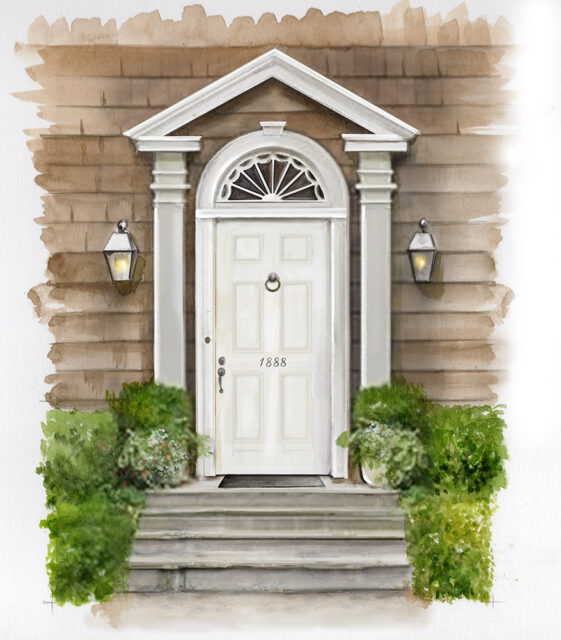

Ardmore Park
Ardmore Park is one of the rare in-town neighborhoods with historic lineage dating to Atlanta’s earliest years, architecture spanning multiple eras, and green space that connects to one of the city’s most ambitious urban trail projects. Adjacent to Piedmont Hospital and surrounded by the commercial buzz of Buckhead and Midtown, the location affords both immediate convenience and an escape from the bustle. The signature park itself is modest in footprint, but charming and reflective of the bigger connectivity of the neighborhood. Tucked among tall tree canopies, Ardmore Park offers a playground, benches donated through Park Pride grants, bike parking, and access to the BeltLine’s Northside Trail. You’ll see neighbors lingering after a dog walk, children at play, and joggers on paths that thread through leafy corridors toward Tanyard Creek Park and beyond. This natural network feels like a quiet secret in the heart of the city. Ardmore Park’s architecture reflects its long evolution: 1920s and ’30s traditional cottages, postwar brick ranches, and timeless midcentury homes, many updated with modern interiors and outdoor living spaces. The community is defined by the longtimers who can claim multiple generations of their families living in Ardmore, new-to-Atlanta medical professionals drawn to nearby Piedmont Hospital, and residents who simply cherish a quiet in-town address without sacrificing their city lifestyle.
History
The land belonged to one of Atlanta’s earliest pioneers, Andrew Jackson Collier, who arrived in Atlanta in the 1820s and acquired the 202.5-acre estate that is now the foundation of today’s Ardmore Park. Andrew Jackson Collier operated a grist mill on Tanyard Creek, where fierce Civil War combat occurred during Sherman’s attack. Subdivision of Collier’s estate began in the 1920s, with early development along 28th Street, Wycliff Road, Anjaco Road, and Collier Road. Homes sprang up in stages: The 1930s saw Anjaco’s growth, and the 1940s and ’50s brought expanded residential construction, coinciding with the creation of the park that would eventually give the neighborhood its name.
$596K
Average sale price (homes last 12 months, attached and detached)
$370
Average price per square foot (for sales of homes last 12 months, attached and detached)
1,818
Average square footage (for sales of homes last 12 months, attached and detached)


“Ardmore Park has such a warm, welcoming vibe. I love the blend of old and new homes, and there’s something especially meaningful about living in a house built in 1924—it adds so much charm and a real sense of history to everyday life.”—Mallory Mathison Glenn, Designer & Ardmore Park Resident
IYKYK
Anjaco Road is named for Ardmore Park’s founding family, specifically Andrew Jackson Collier (using the first two letters of his first, middle, and last names).
Big Brag
Ardmore Park offers some of the most efficient connectivity in the city: BeltLine access, quick arterial roads in every direction, and a residential core that stays largely insulated from cut-through traffic while the rest of Atlanta moves around it.
Beltline Boom
BeltLine planning documents identify Ardmore Park as a key southern connection point for the future Northwest Trail. When complete, the western segment of the Northwest Trail is expected to run approximately 2.8 miles, passing beneath I-75 and alongside the Hemphill Water Treatment Plant, helping close a critical gap in the 22-mile Atlanta BeltLine loop, which ultimately links more than 40 neighborhoods citywide.
Mascot
The Millstone. From the original grind of the founder’s grist mill, reinterpreted as a symbol of the city grind surrounding Ardmore, and the steady grind of miles traced on the BeltLine and park paths.
Future
Ardmore Park’s future is tied to both preservation and thoughtful connection. In 2002, with support from The Arthur M. Blank Family Foundation, the Ardmore Park Neighborhood Association worked to protect and preserve land around Ardmore and Tanyard Creek Parks, ensuring green space for generations to come. The BeltLine’s Northside Trail now links Ardmore Park to Bobby Jones Golf Course and Bitsy Grant Tennis Center, inviting walkers, runners, and cyclists into its expanding network. Ardmore Park announced plans in 2022 for a BeltLine route that will extend past Blandtown and cross I-75, knitting Ardmore Park into the city’s broader trail vision. In 2025, the neighborhood celebrated the grand reopening of its newly upgraded playground, funded through the Moving Atlanta Forward bond initiative, Atlanta City Council support, and neighborhood contributions.