







The Atlanta Neighborhood That Has Always Marched to its Own Beat
Independent by design, Decatur has spent two centuries cultivating a walkable downtown and local sense of community.
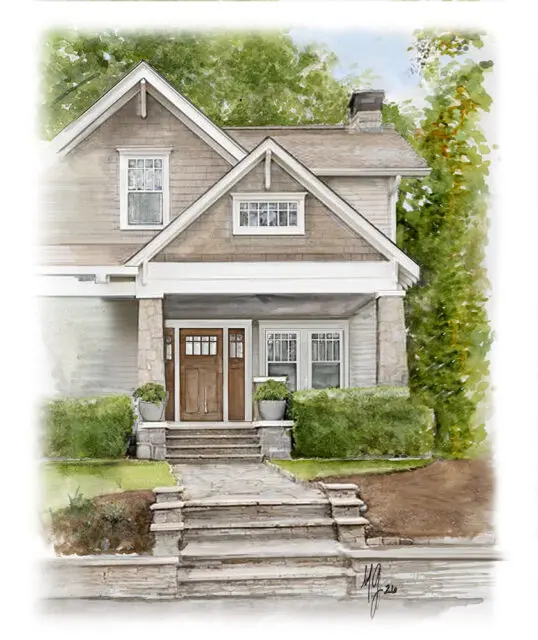
If Atlanta’s neighborhoods each have a personality, Decatur is the friend who somehow knows everyone. Independent, intellectual, fiercely local, and endlessly walkable, Decatur has spent more than two centuries proving that a small city can cultivate one of the strongest senses of community in the South. Around its historic courthouse square, neighbors gather for farmers markets, concerts, festivals, coffee or happy hour meetings, and dinner reservations. Home to around 25,000 residents, Decatur punches above its weight in a few categories: Nationally recognized schools, one of Georgia’s best restaurant scenes, independent bookstores, legendary live music venues, lauded craft beer bars, and beautifully maintained parks have made it one of Metro Atlanta’s most desirable places to live. While Atlanta has grown rapidly around it, Decatur has remained steadfastly itself.
History
Founded in 1823 and named for naval hero Commodore Stephen Decatur, the city predates Atlanta itself by more than a decade. Chosen as the seat of the newly formed DeKalb County, Decatur grew around its courthouse square, which remains the city’s civic and cultural heart. The arrival of the Georgia Railroad and, later, Atlanta’s streetcar system transformed Decatur into one of the region’s earliest commuter communities. Elegant Victorian homes, Craftsman bungalows, Colonial Revival residences, and tree-lined streets followed, many of which remain beautifully preserved today. Unlike many neighboring communities that were eventually annexed into Atlanta, Decatur chose a different path, remaining an independent city with its own government, police department, and school system. That independence has given Decatur extraordinary control over its future, allowing city leaders to prioritize thoughtful planning, preservation, public spaces, and locally owned businesses over large-scale redevelopment. Today, that decision stands as one of the defining reasons Decatur feels so different from anywhere else in the Metro area.
$2.55M
Highest sale (last 12 months)
$438K
Average sale price (last 12 months, single-family homes)
1,923
Average square footage (for sales last 12 months, single-family homes)
$220
Average price per square foot (for sales last 12 months, single-family homes)


“It’s such a privilege to live in a small town within a big city, and community is a vital part of the joy of Decatur. The strong relationships that are built on the walks to school and during weekends on the square encourage generations of families to stay connected to the beautiful city that we call home.” —Lathem Gordon & Cate Dunning, Designers & Decatur Residents
Future
Decatur has never chased growth, but continues investing in the things that make people want to spend time there: walkable streets, parks, local businesses, public art, bike connectivity, and thoughtfully designed mixed-use development that strengthens the historic downtown. That philosophy was on full display during the 2026 FIFA World Cup, and demonstrated how thoughtful placemaking and creative programming can generate meaningful economic impact while strengthening the identity of an already beloved downtown. Decatur transformed its courthouse square into the region’s unofficial gathering place with more than a month of concerts, international watch parties, family programming, and community events. Thousands of visitors filled downtown restaurants and retailers, with several businesses reporting record sales during the tournament. As Metro Atlanta continues to expand, Decatur’s greatest strength may be its discipline. Rather than reinventing itself every decade, the city continues refining a model built around people instead of cars, local businesses instead of chains, and gathering places instead of parking lots.
IYKYK
The Decatur courthouse has burned twice, survived a Civil War battle, narrowly escaped demolition in the 1960s, and has stood at the center of Decatur life for nearly two centuries. For a building that’s seen everything from election-night celebrations to murder trials and preservation battles, it’s fitting that the city’s greatest landmark is both beautiful and resilient. Surrounding it is perhaps Decatur’s greatest public amenity: the courthouse lawn, serving as the community’s shared front yard. On any given day you’ll find children playing, yoga classes, picnic lunches, musicians performing, and neighbors chatting.
Big Brag
Decatur seems to have a remarkable ability to nurture creative people, and has made an extraordinary cultural footprint. Music lovers know it as the home of Eddie’s Attic, one of America’s great listening rooms. Since opening in 1991, the intimate venue has helped shape the careers of John Mayer, Shawn Mullins, Jennifer Nettles of Sugarland, The Civil Wars, and countless others. Garden enthusiasts know Decatur for another reason entirely: The late Ryan Gainey, one of America’s most influential landscape designers, transformed an unassuming cottage into one of the South’s most admired private gardens.
An Iconic Decatur Day
The Morning: Start with coffee and a pastry at Dancing Goats before strolling the Square.
The Browsing: Discover books at Little Shop of Stories and vinyl records at Wuxtry.
The Institution: Grab lunch at Brick Store Pub, consistently ranked among America’s best beer bars.
The Sweet Stop: Choose a homemade scoop at Butter & Cream.
The Music: End the evening with a show at Eddie’s Attic, where tomorrow’s Grammy winners often perform.
The Nightcap: Celebrate the day with a tropical cocktail at The S.O.S. Tiki Bar.
Mascot
A sketchbook, for the birthplace of creativity.